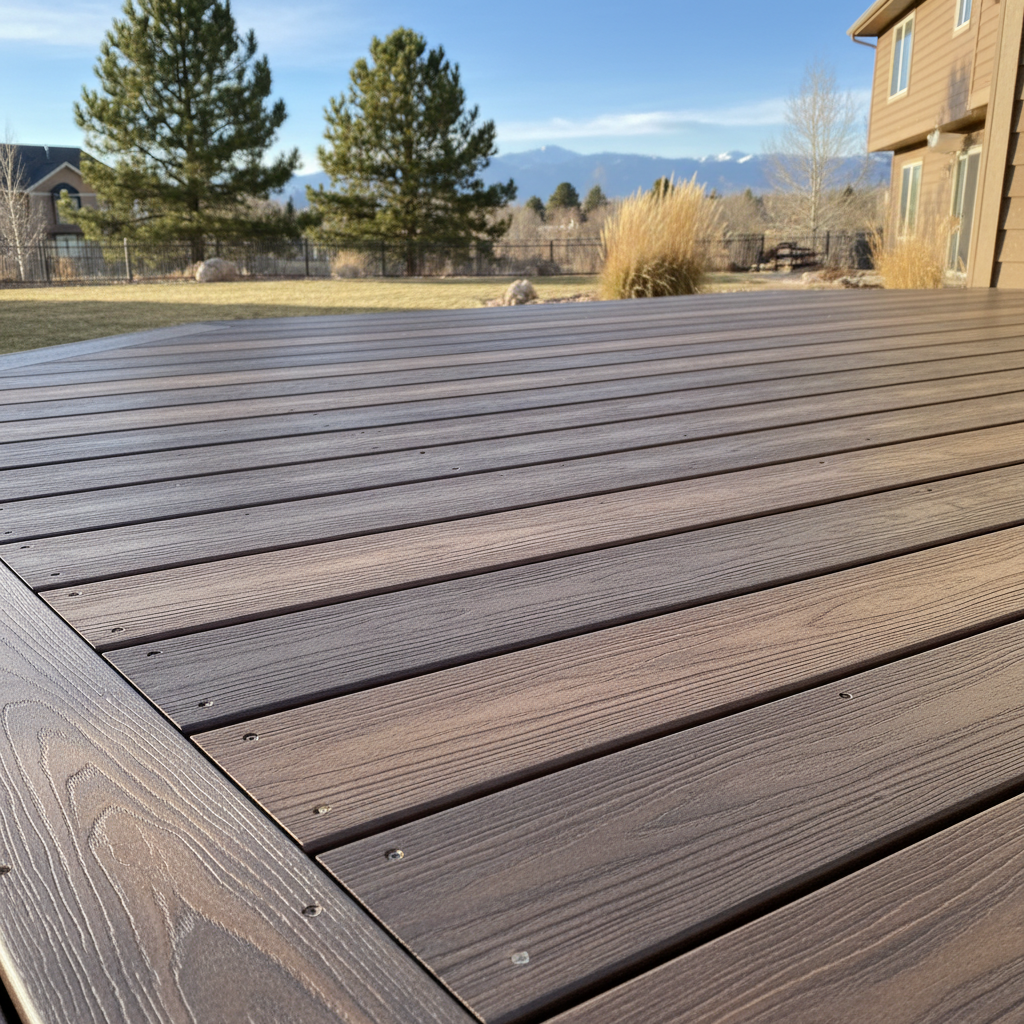
So, you're looking at composite decking for your backyard here in Littleton? Good choice. I've built a ton of decks over the years, and composite has really come a long way. It's not your grandma's plastic-looking stuff anymore. Today's composite can look incredibly sharp and save you a ton of headaches down the line. But before you dive in, let's talk about what you need to know, what you can probably handle yourself, and when it's definitely time to pick up the phone.
Before You Even Buy a Board
First things first, planning is everything. You can't just wing a deck build, especially not with composite. It's different from wood in a few key ways. For one, composite boards don't have the same structural integrity as solid wood. They need a tighter joist spacing – usually 16 inches on center, sometimes even 12 inches depending on the specific product and load. If your existing deck frame is older and built for 24-inch spacing, you're going to need to beef it up, or those composite boards will sag. Trust me, you don't want a bouncy deck.
You also need to think about permits. Here in Littleton, any deck over 30 inches off the ground or attached to your house needs a permit. Even if it's lower, if you're changing the footprint or structural elements, you'll likely need one. Don't skip this. The city's building department is there for a reason, and getting caught without a permit can mean tearing it all down and starting over, plus fines. It's a pain, but it's a necessary pain.
Then there's material selection. There are so many brands out there now – Trex, TimberTech, Fiberon, and more. They all have different price points, colors, textures, and warranties. Some are solid, some are hollow, some have a cap-stock for extra durability. Go get some samples. Put them out in your yard, see how they look in the sun and shade. Think about our Colorado sun; it's brutal. You want something that's going to hold its color and not fade out in a couple of years. Also, consider the local climate – we get those huge temperature swings, sometimes 50 degrees in a day. Good composite is designed to handle expansion and contraction, but you need to know the specific product's requirements for gapping.
During the Build: DIY or Call a Pro?
Okay, so you've got your plans, your permits, and your materials. Now for the fun part. Can you build this yourself? It depends on your skill level and the complexity of the deck.
What you can probably DIY:
- Demolition: If you're replacing an existing deck, tearing down the old one is usually pretty straightforward. Just make sure you're safe and have a plan for disposal.
- Simple Rectangular Decks: If it's a basic, ground-level, rectangular deck with minimal elevation changes, and you're comfortable with power tools and precise measurements, you might be able to tackle the framing and decking.
- Finishing Touches: Adding railings (especially pre-fab kits), skirting, or even some deck lighting can often be done by a handy homeowner.
When to definitely call a pro (like us at Oasis Decks & Pergolas):
- Multi-level or Complex Designs: Anything with curves, multiple levels, intricate staircases, or built-in features like benches or planters gets tricky fast.
- Structural Work: If you're pouring new footings, attaching to your house's ledger board, or significantly altering the existing frame, you need to know what you're doing. A poorly attached ledger board is a recipe for disaster.
- High Decks: Any deck that's significantly off the ground (say, more than 4-5 feet) requires serious structural integrity and safety considerations. This isn't a place to learn as you go.
- Time Constraints or Lack of Tools: Building a deck takes time, specialized tools, and a good understanding of building codes. If you don't have the time, the right equipment, or the expertise, you'll save yourself a lot of frustration (and potentially money) by hiring someone.
One thing I see a lot in older Littleton homes, especially in areas like Bow Mar, is existing deck frames that just aren't up to snuff for modern composite. They might be rotting, or the joist spacing is too wide. It's tempting to just slap new boards on, but that's a mistake. You need a solid foundation.
After the Project is Done
Congratulations, you've got a beautiful new composite deck! Now what? The good news is, maintenance is a breeze compared to wood. You won't be staining or sealing every year, which is a huge part of the appeal.
But